We pick berries during that brief window when they are ripe, but have not yet begun to spoil.
We wash them, sort them, cook them, put them into jars.
We call this preserving the harvest.
But there is something strange about calling transformation preservation.
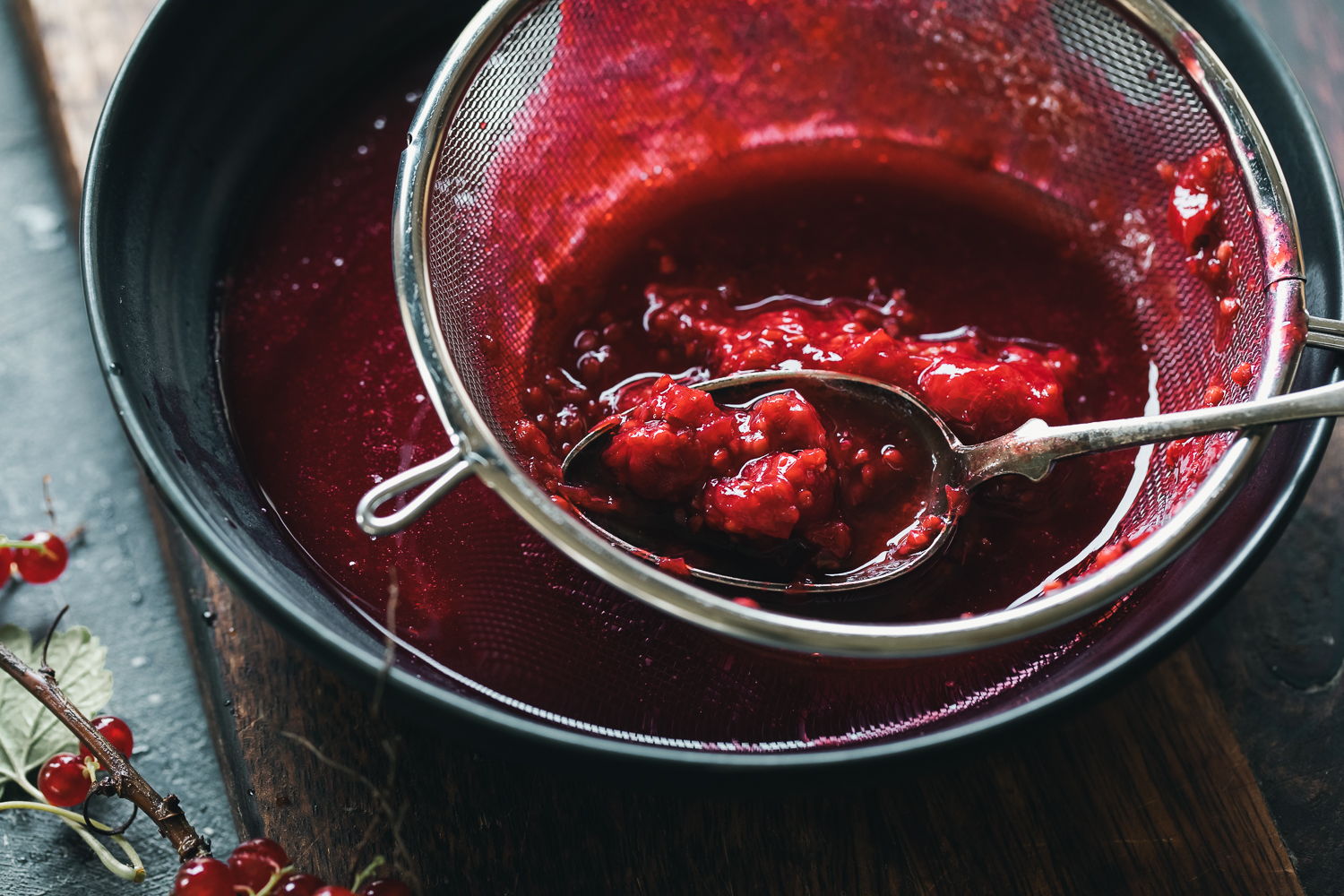
To preserve a currant, we take it from the branch.
Heat it.
Crush it.
What remains is its taste, its colour, its scent.
But the August berry itself — a ruby dropping into the palm at the slightest touch — is already gone.
But there is something strange about calling transformation preservation.
Something similar happens with photography.
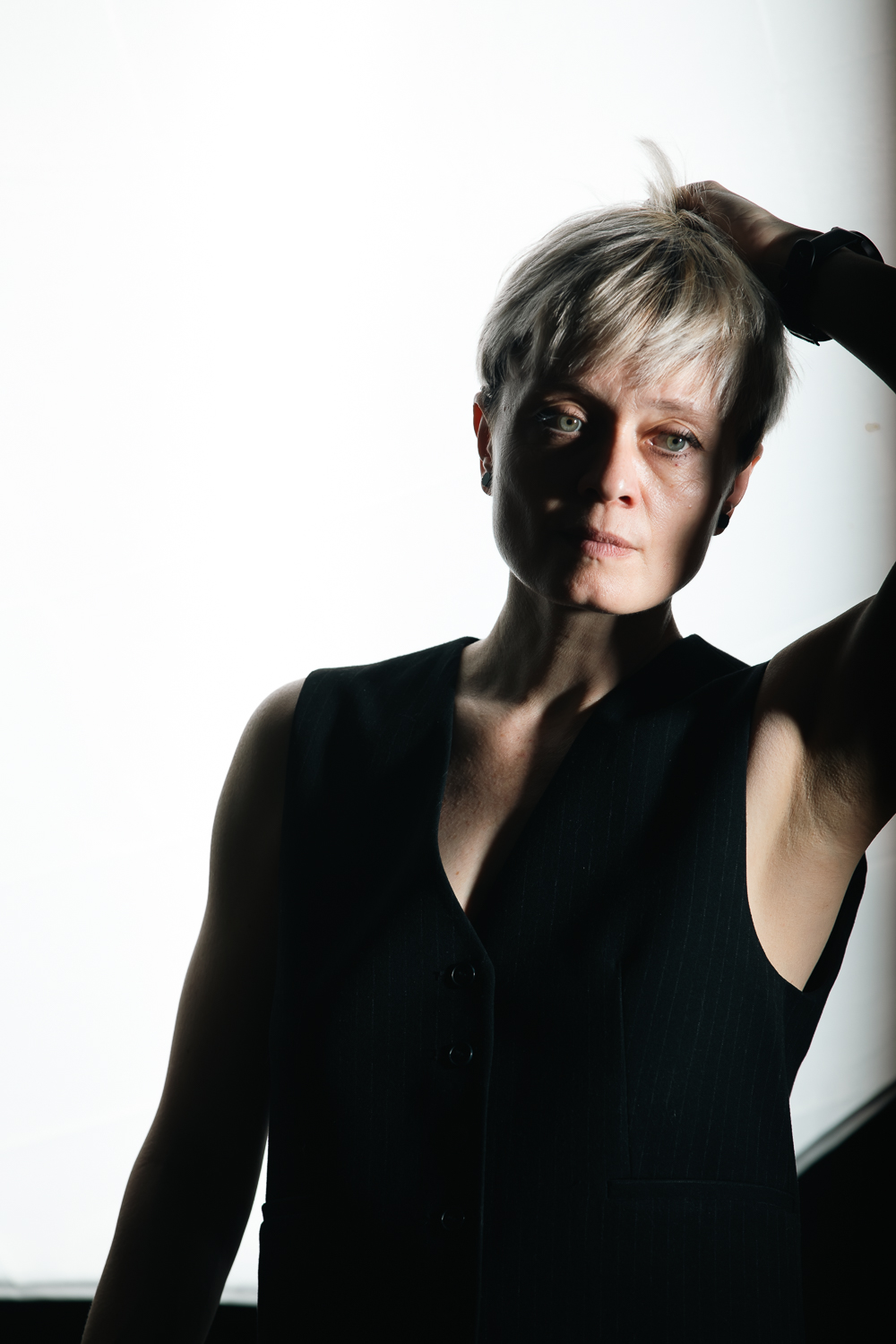
We photograph people because they exist before us now. But as we press the shutter, we already know that this “now” will end.
A person will grow older.
A photograph does not preserve a person.
It preserves an illusion of what that person was like at a particular moment.
Perhaps that is why preserving food and making photographs feel related to me.
Both begin not with a belief in permanence, but with the knowledge that permanence is impossible.
A photograph does not preserve a person. It preserves an illusion of what that person was like at a particular moment.
We notice things because they are temporary. And then we protest against their disappearance.
We put a jar on a shelf.
We press the shutter.
Redcurrant Curd
Ingredients
100 g redcurrant 60 g sugar 80 g butter 1 egg
Method
1. Rinse the currants and place them in a saucepan—you can leave the stems on. Cook the berries over medium heat until soft, then press them through a colander.
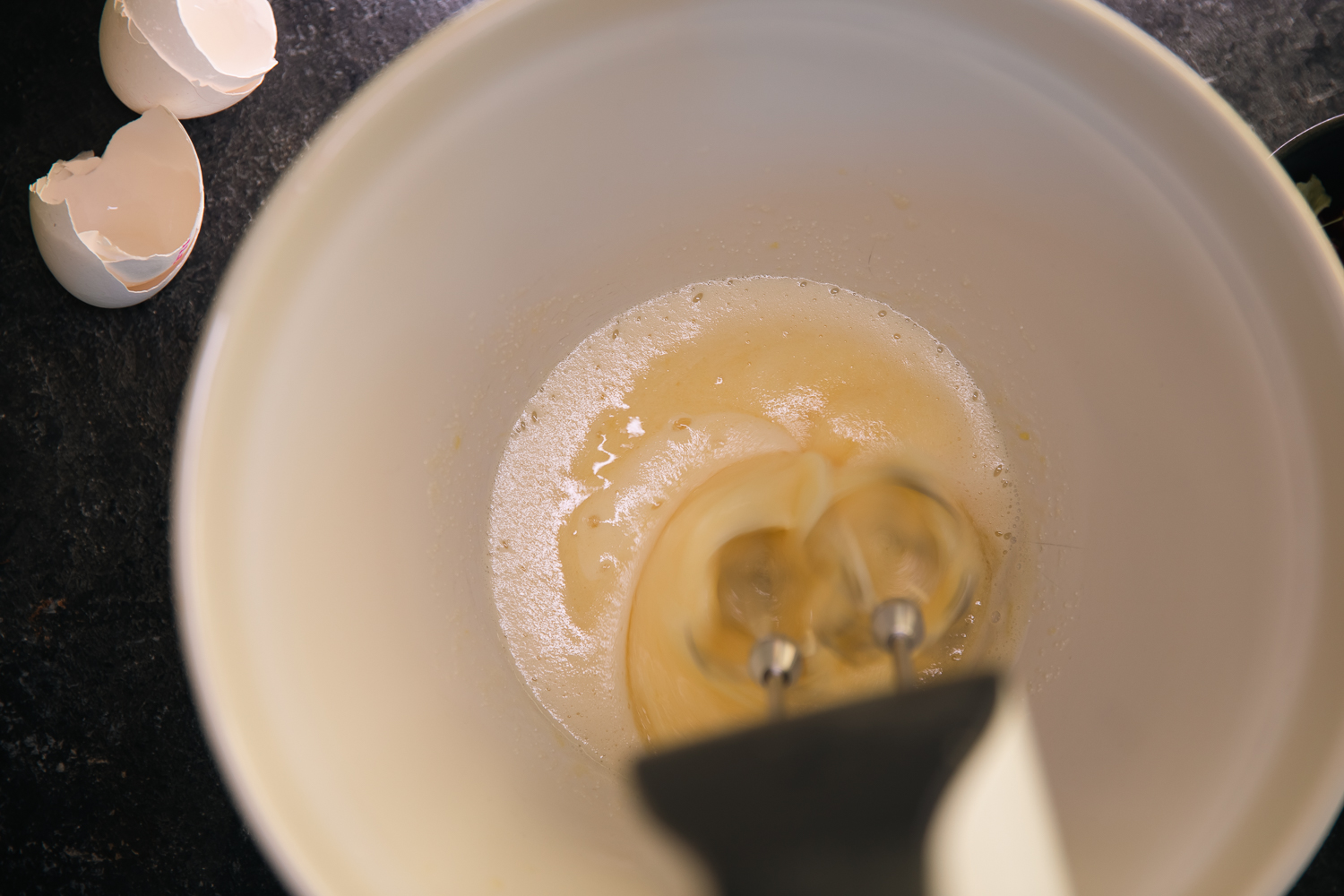
2. In a separate bowl, beat the eggs with the sugar. Add the currant puree and mix until smooth.
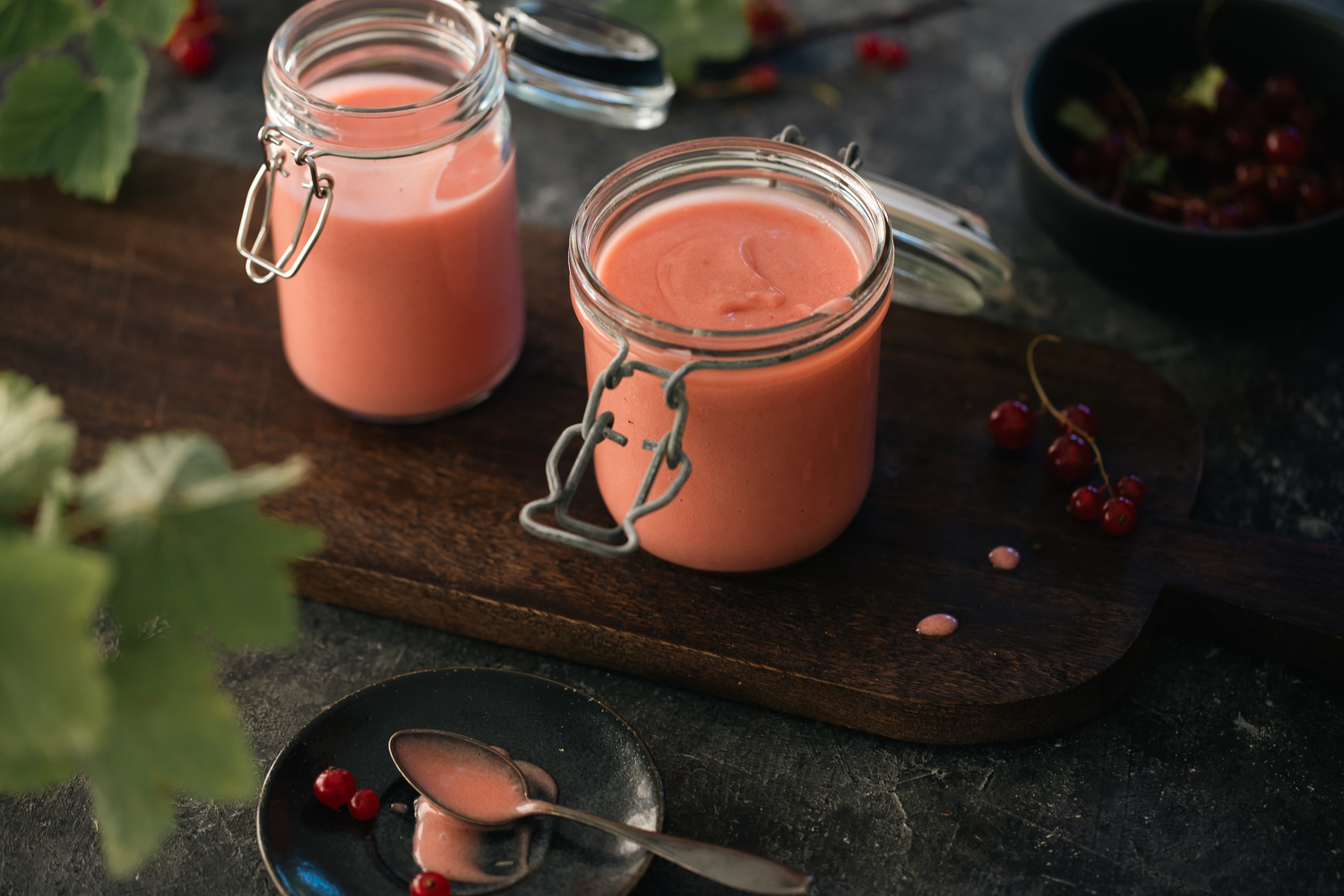
3. Transfer the mixture to a saucepan and heat until thickened. Add the cubed butter and stir thoroughly. Pour into jars.
It does not stop time.
In February, redcurrant curd will not bring August back.
A photograph will not return a person to the oak floor of the studio where it was taken.
And yet something passes from one time into another.
Not the berry itself. Its taste. Its colour. Its scent. Changed, but still recognisable. Enough to make August briefly available to our senses again.
Not the person either. A gesture. A gaze. The light that once fell across their skin. A few hundredths of a second of their existence translated into an image.
We cannot carry the past into the future in’tact. We choose something from the present and give it a form that can survive time.
And much later it may open a small passage to what is no longer there.